
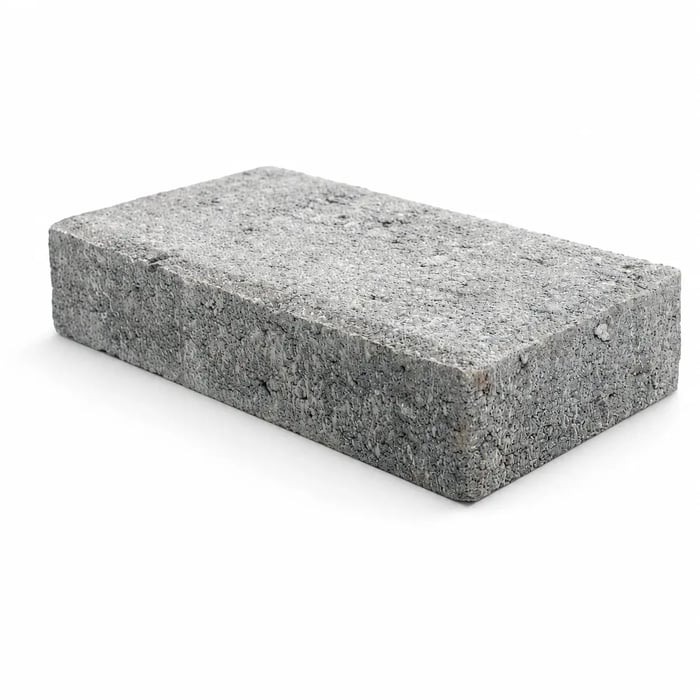
Paving Blocks 50mm Quad
Ksh814.00200 × 100 × 50 mm · 25 MPa · Light duty
Product code: 1-15-020-50-100-200S
200 × 100 × 50 mm · 25 MPa · Light duty
Product code: 1-15-020-50-100-200S
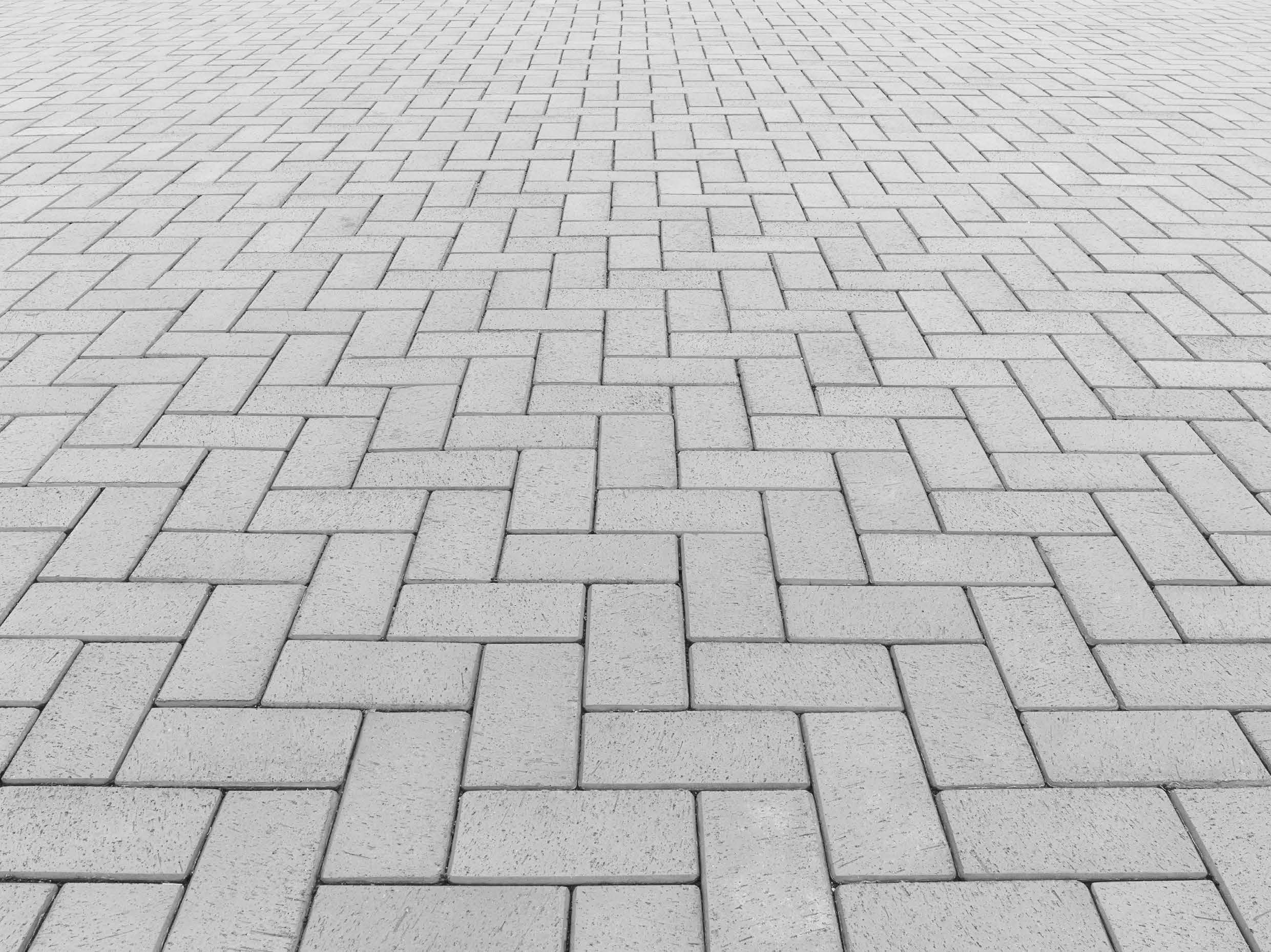
The Quad 50 mm paving block is a rectangular concrete paver for domestic driveways, parking areas, sidewalks and pedestrian spaces. Its simple shape creates a neat, consistent finish across a range of paving layouts.
Measuring 200 × 100 × 50 mm, it has a compressive strength of 25 MPa and is classified as a light-duty paver. Each block has a typical weight of 2.1 kg.
Product code: 1-15-020-50-100-200S
Contact our team to confirm colour availability and suitability for your project.
The Quad 50 mm is a precast concrete paving unit manufactured from a high-quality concrete mix. It measures 200 × 100 × 50 mm and has a specified compressive strength of 25 N/mm² (25 MPa), classified as Light Duty (L) in the Paving Blocks Technical Data Sheet.
| Technical property | Specification |
|---|---|
| Product code | 1-15-020-50-100-200S |
| Length × width | 200 × 100 mm |
| Thickness | 50 mm |
| Compressive strength | 25 N/mm² (25 MPa) |
| Duty classification | Light Duty (L) |
| Typical unit weight | 2.1 kg |
| Pieces per pallet | 500 |
| Manufacturing standard | KEBS KS 827-2003 |
| Curing period stated in TDS | 28 days before use |
Applications include domestic driveways, parking areas and sidewalks, subject to appropriate pavement design and project requirements. Product selection and installation should follow the manufacturer’s guidance, with the supporting pavement construction designed for the intended traffic and ground conditions.
Refer to the full Paving Blocks Technical Data Sheet for detailed installation guidance.