Our Products

Kenya Builders provides high-quality construction materials and solutions for durable, modern building projects.

Our Products


AGGREGATES (BALLAST/KOKOTO)

We have been manufacturing building materials since 1952. We have state-of the-art quarry machinery and equipment to allow production of quality aggregates.

Aggregates & Sand

We have been manufacturing building materials since 1952. Today, we are a leading supplier of quality construction materials and technical solutions. Over
the years, we have built up significant expertise and now have a fleet of over 100 trucks to ensure steady delivery to our esteemed clients. We have state-of
the-art quarry machinery and equipment to allow production of quality aggregates.

1. AGGREGATES FOR MANUFACTURE OF CONCRETE

Concrete Aggregates refers to the use of coarse materials such as gravel, crushed stone and recycled concrete in the manufacture of concrete. Essentially,
aggregate materials make up a large portion of the total volume of concrete and serve to enhance its overall strength.

FACTORS TO CONSIDER WHEN CHOOSING AGGREGATES FOR USE IN  CONCRETE

1.     Type of binder and cement characteristics such as gypsum or alkali content.
2.    Total cementitious content.
3.    Water-cement ratio.
4.    Aggregate type.
5.    Degree of hydration or cementing reaction.
6.    Total water content in the fresh concrete.
7.     Environment/exposure conditions of concrete.
8.    Surface: volume ratio of the concrete as affected by shape and size of elements.

DIFFERENT CONCRETE APPLICATIONS

1.     Foundations.
2.    Suspended slabs.
3.    Industrial & domestic floors.
4.    Paths, patios & driveways.
5.    Precast lintels, flagstones & blocks.

MATERIALS SPECIFICATION

1.     When batching concrete, one should ensure that the aggregate does not contain any deleterious material (such as leaves, clay etc) as this can have a negative effect on the mix.
2.    One should also be aware of the water content of the fine aggregates as this is very important in ensuring the control of cement content in the mix.

Ready Mix Concrete

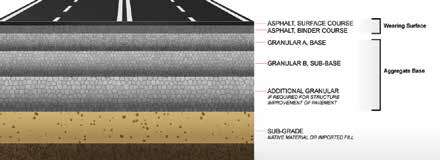
2. ROAD STRUCTURE LAYERS

Base and subbase materials provide the support structure for any pavement design.

Approved target gradings are determined by laying a trial section using material complying with grading limits as per the consultant's specifications.

The hardness and particle shape of aggregate used in road layer works is important as these influence workability, compaction and density achieved.

Road Aggregates

3. SURFACING AGGREGATE

Surfacing Aggregates are the aggregates used in the production of the surface layers or seals for road construction. These are usually applied by chip spreaders and comply with certain specifications.

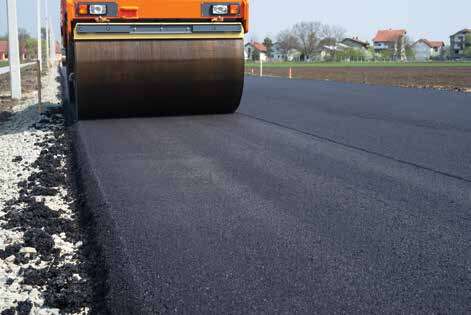
 The process involves spraying bitumen binder onto a prepared base-course layer and then applying aggregate particles immediately after and rolling them in to achieve a mosaic pattern. This causes the binder to move into the voids between the particles.

4. ASPHALT AGGREGATE

Asphalt Aggregates are those materials used in asphalt pavements. Asphalt is defined as a mixture of inert mineral matter, such as aggregate, mineral filler and bituminous binder in predetermined proportions. There are two types of Asphalt:

Continuously Graded Asphalts
These are mechanically mixed asphalts in which the aggregates and the filler are distributed in size from coarse to a fraction within a specific smooth grading envelope.

Open Graded Asphalts
These are mixes which normally require single-sized crushed aggregate. It is mechanically mixed asphalt constituted to give a rough surface texture in the compacted state. This type of layer is also used when ultra-thin pavement is laid using paving machines.

Due to the importance of aggregates in mix, it is vital to understand the impact its properties have on concrete consistency and to ensure the asphalt design mix meets the specified requirements.


Asphalt
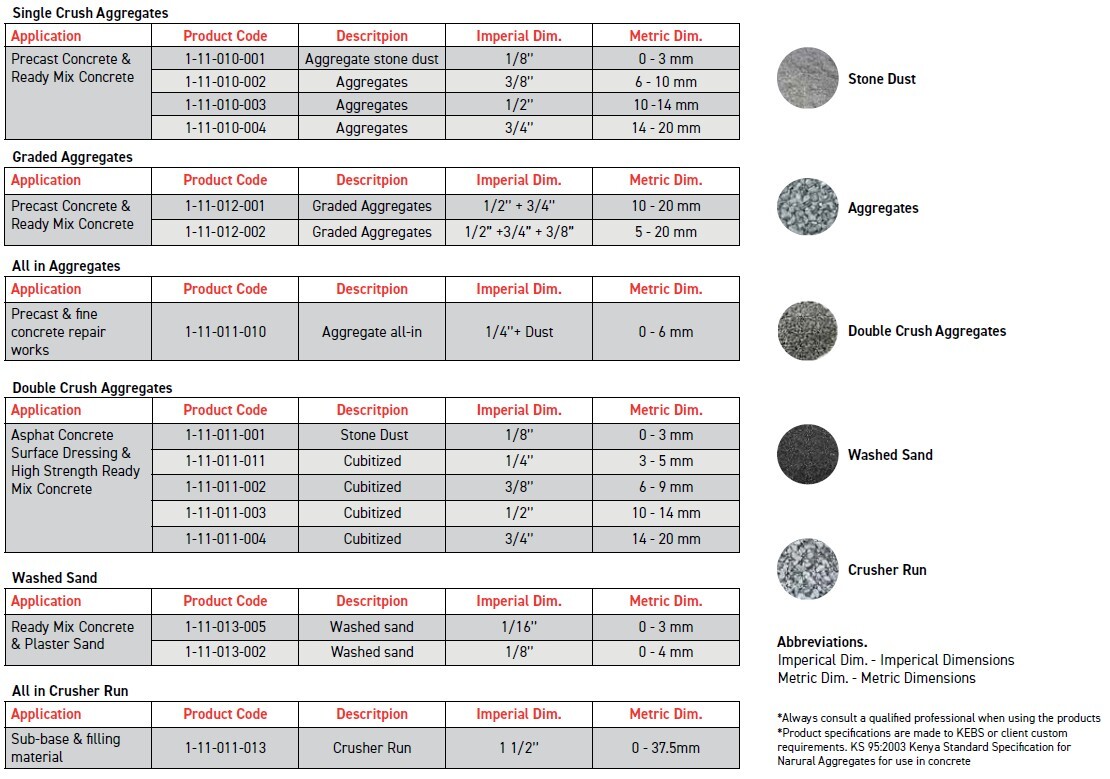
Aggreagates Product Table
AGGREGATE STONEDUST(0-3) image

AGGREGATE STONEDUST(0-3)

Ksh1,100.00

Aggregate Stonedust(0-3)

AGGREGATE 3/8" (ROUND) image

AGGREGATE 3/8" (ROUND)

Ksh1,200.00

Aggregate 3/8" (Round)

SAND BLACK MUL(0-3) image

SAND BLACK MUL(0-3)

Ksh1,200.00

Sand Black Mul(0-3)

Let’s Build Together

Whether you're an architect, developer, contractor, or first-time builder, we’re here to help you succeed. Visit one of our Kenya Builders Direct factory outlets or contact our sales team to get started.


CONCRETE PAVING BLOCKS

Quality concrete paving blocks delivering strength, design flexibility, and lasting performance across all paved surfaces.

Paving & Blocks

WHY KENYA BUILDERS CONCRETE PAVING BLOCKS

  1. Paving blocks are economical & durable.
  2. Suitable for use in parking areas, pathways, commercial & domestic roads.
  3. They offer an attractive, practical & long lasting option for pavement material.
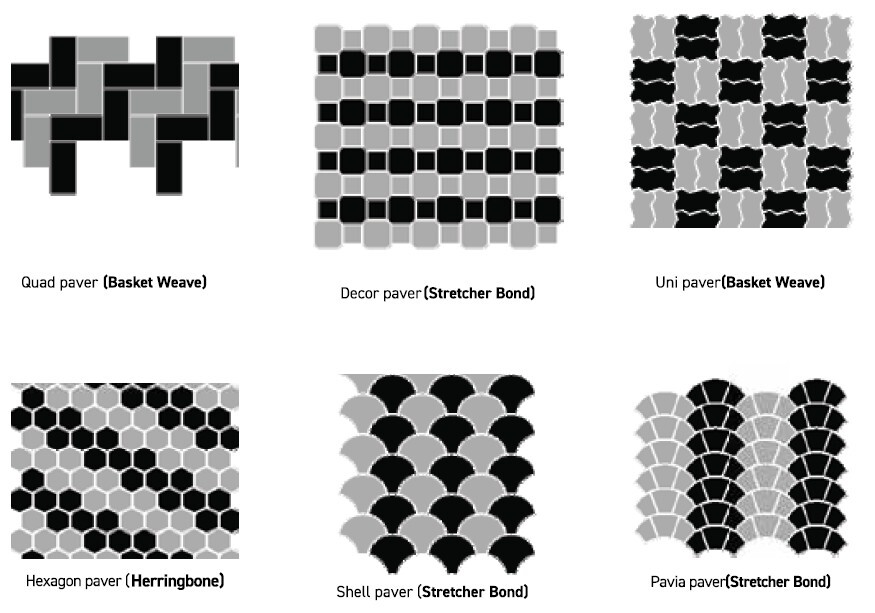
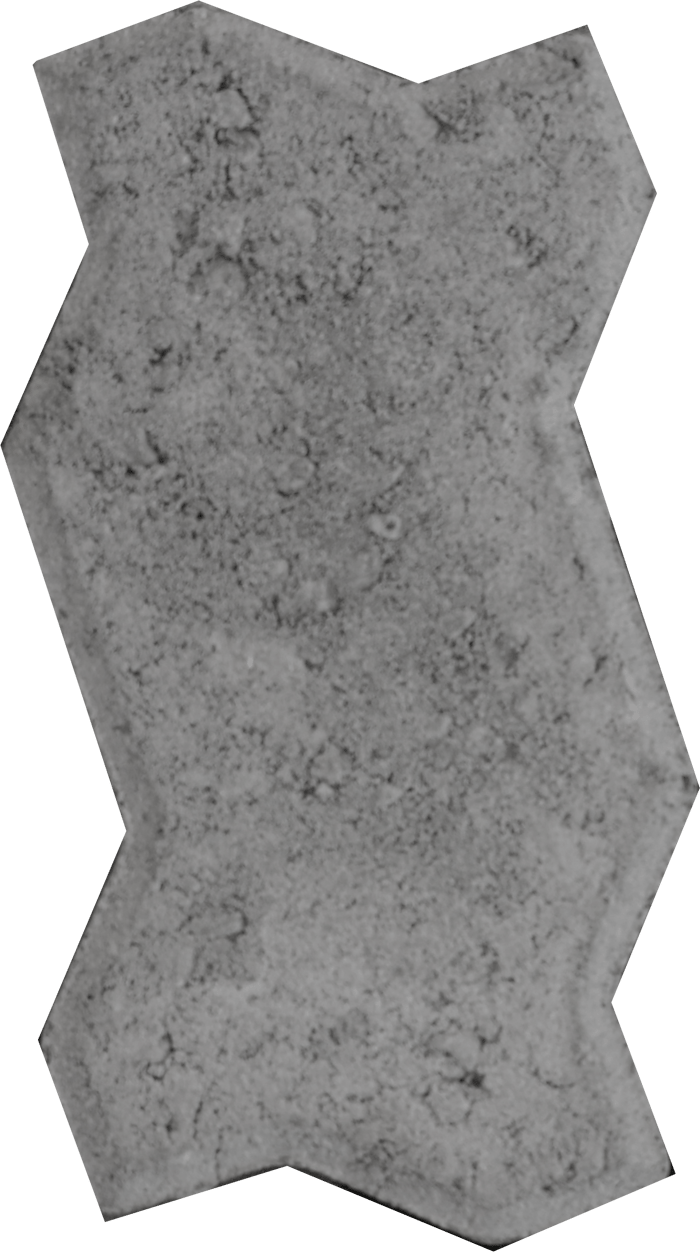
  4. They come in various sizes, thickness and shapes which include Quad, Uni, Decor, Shell, Pavia and Hexagon paving blocks.
  5. We have a variety of colours including Grey, Black, Red, Beige and many other custom colours can be made on order.

CONCRETE PAVING BLOCK FEATURES

  1. Provide great, hard-wearing & textured surface.
  2. Vibrant long-lasting colours.
  3. Available in 6 shapes creating distinctive patterns when utilized.
  4. Creates a neat finish for pavements, light or commercial traffic areas.
  5. Stacked for easy transportation.

CONCRETE PAVING BLOCK FEATURES

To achieve neat driveways and patios there are three laying patterns to consider which include Basket Weave, Herringbone and Stretcher Bond.

    1. Stretcher bond is the simplest offset block paving pattern and is also known as a running bond or half bond. The joints are offset by exactly half the width of the block when using the quad paving block.

    2. Herringbone is an interlocking laying pattern which is used for all tracked areas such as driveways. The interlock ensures that where vehicles are braking and turning, blocks are not moved out of position.

    3. Basket weave pattern is commonly used on patio areas. As a decorative pavement it looks nice, however for heavy truck areas, basket weave is not recommended.

Block Patterns

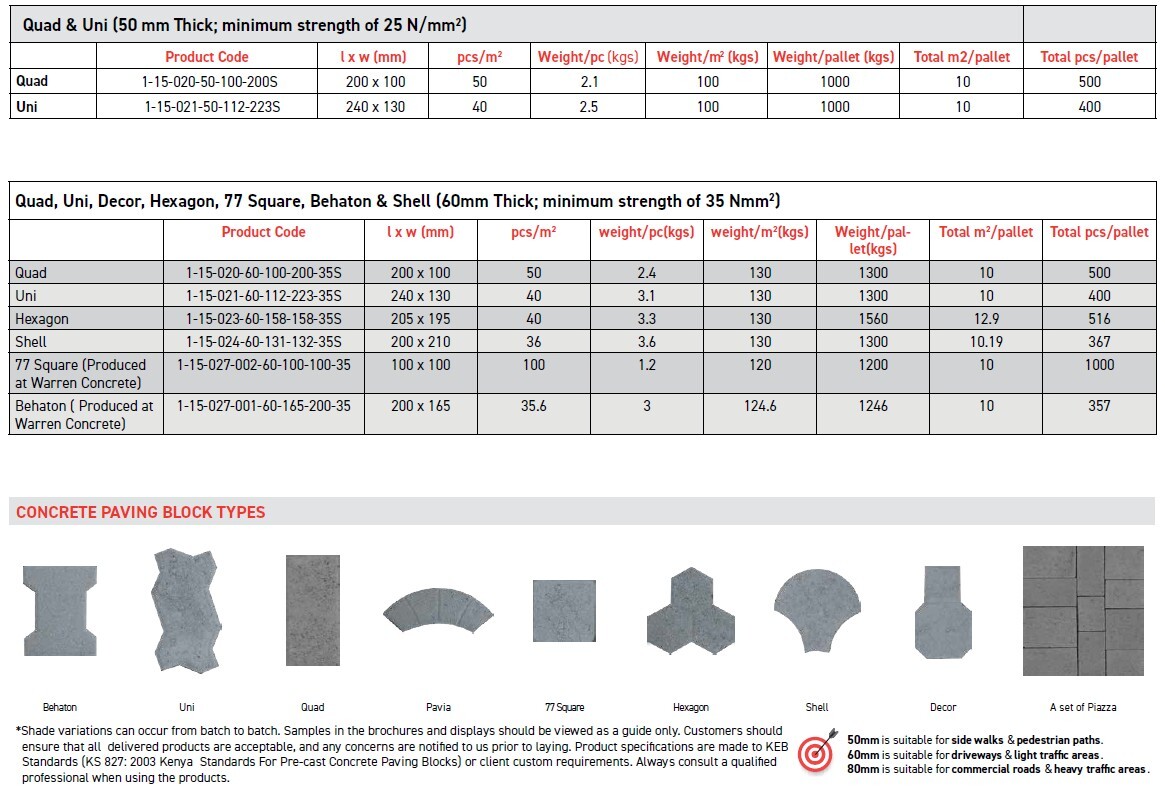
Technical Information

Technical Information
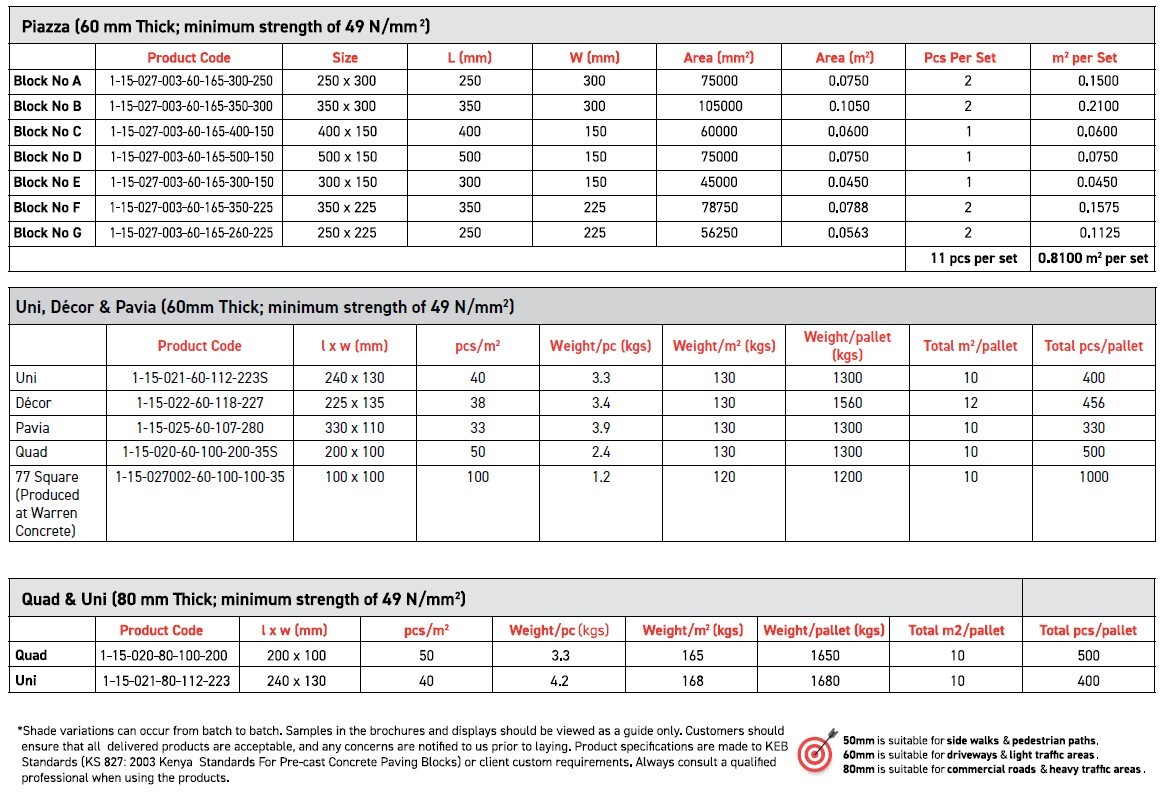
Technical Information Block Page 2

Paving Blocks – Installation Guideline

Concrete Paving Blocks Laying Guidelines

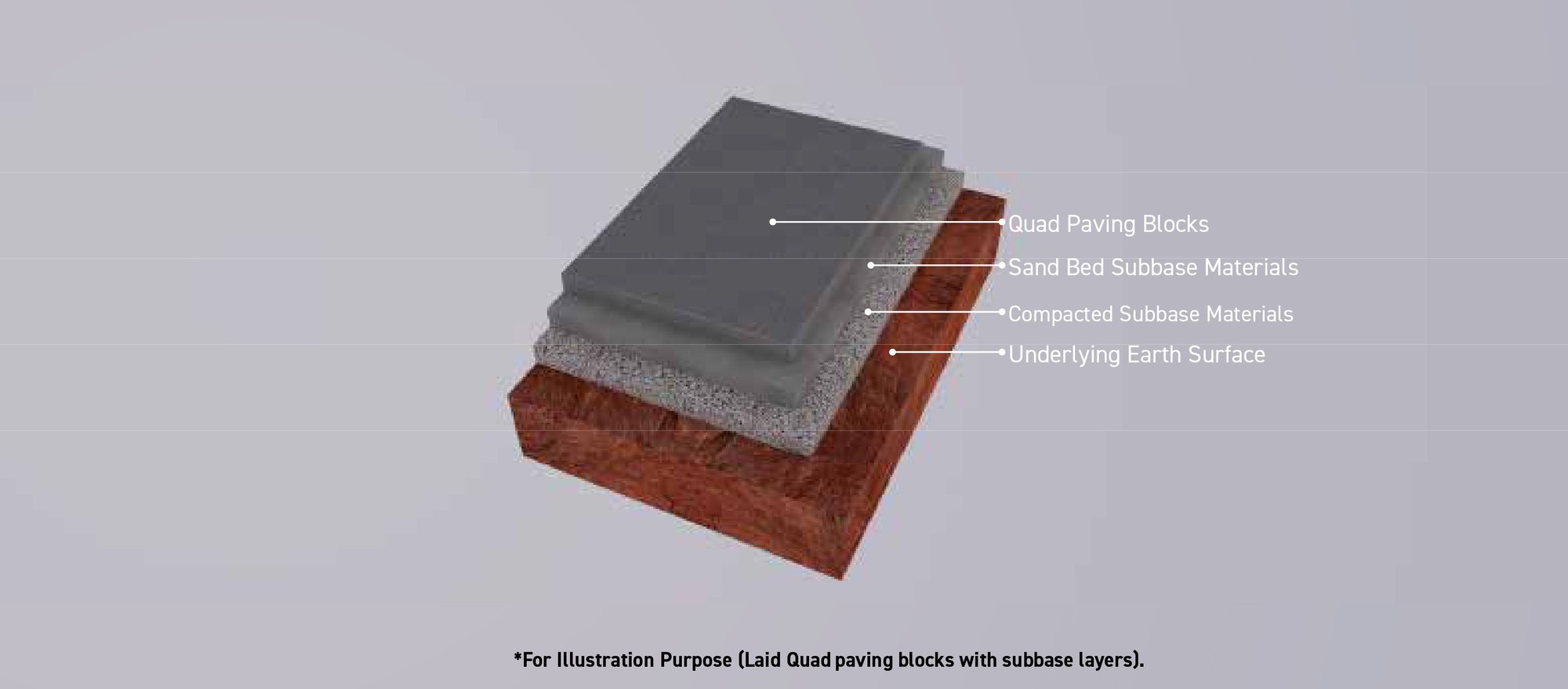
1. Subgrade, Subbase and Road-base

It is necessary to prepare subgrade and subbase so that the surface levels are within the tolerance. Preparation of the sub material provides a surface that is dense enough to prevent laying course material being lost into it during construction.

2. Edge Restraints

Should be adequate to support traffic loads and to prevent loss of laying course material beneath the surface course. Examples are kerbs and channels, established structures or rigid abutments such as paving blocks fixed vertically and bedded and haunched.

3. Surface Course

It is important to lay blocks and make minor adjustments to maintain the bond pattern and ensure that the joints remain wide enough for sand. Block paving is designed to function with sand joints, which will normally lie within the range of 1 – 1.5 mm when placed hand tight.

4. Compaction, Joint Filling and Vibrating of Paving Blocks

Use compacting equipment and transmit a frequency of vibration in the range 75 – 100 Hz. After compaction of the surface course, spread sand or crushed rock fines over the surface and brush it into the joints. Do not use sand which might stain pavement surfaces if this is an important consideration.

Recommendations for Repairs & Relaying Blocks

  • Remove the sand from joints around the first block and level it out. Remove and stack further blocks until the working area is exposed.
  • Using suitable excavated or new material, backfill the excavation and compact sufficiently to avoid subsequent settlement. Before the original blocks are re-laid, clean off all loose and extraneous material.
  • Re-lay the blocks and bond them into the existing pavement. Use compacting equipment and transmit a frequency of vibration in the range 75 – 100 Hz.

Maintenance of Blocks

A properly designed, located and constructed concrete block pavement will perform well for many years. A combination of regular inspection and light maintenance will ensure long-term durability and performance.

Laying Paving Blocks-01
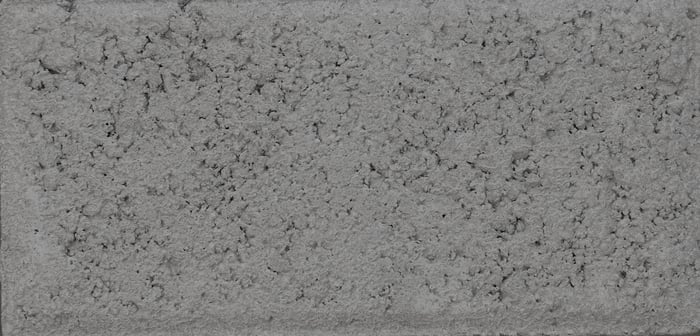
PAVING BLK QUAD 50MM35 image

PAVING BLK QUAD 50MM35

Ksh1,221.00

Paving Blk Quad 50mm35

PAVING BLOCKS 80MM QUAD image

PAVING BLOCKS 80MM QUAD

Ksh1,445.00

Paving Blocks 80mm Quad, L*W (mm) 200*100, Pcs/sqm 50, Weight/pc (kgs) 2.1
Let’s Build Together

Whether you're an architect, developer, contractor, or first-time builder, we’re here to help you succeed. Visit one of our Kenya Builders Direct factory outlets or contact our sales team to get started.


MASONRY BLOCKS

Versatile concrete masonry blocks delivering strength, consistency, and reliability for residential and commercial construction.

6 ADVANTAGES OF CONCRETE BLOCKS

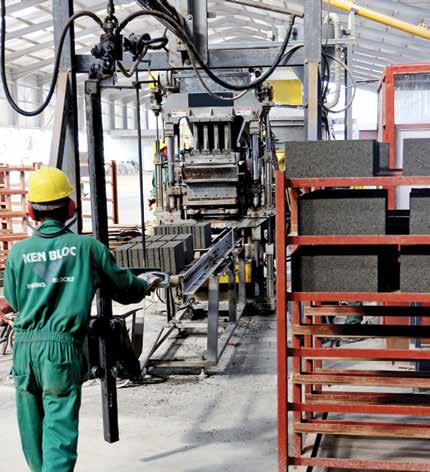
Masonry Blocks Production

Concrete blocks manufacturing process

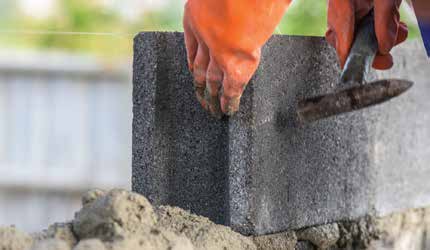
Block install

Concrete blocks used in building construction

1. REDUCES CONSTRUCTION COST

Using concrete block in construction significantly reduces cost in various ways. To produce clay brick, hectares of land, tons of wood and coal are wasted. If we practice using concrete block we can save these natural resources to build our home. Each block can save approximately 25% compared to using clay brick. Quarry cut stone requires large land masses for its extraction and once depleted become redundant sites resulting in further environmental damage.

2. REDUCE MAINTENANCE COST

In the long run, concrete buildings and pavements “stand the test of time” through their low maintenance requirements and have a significant sustainable advantage over other structures. Moisture, which can undermine other building materials through rust or rot, has no weakening effect on concrete. Neither termites nor mold take any toll on concrete. In fact, concrete continues to strengthen over time, which is why concrete structures built thousands of years ago are still intact.

3. EXTREMELY DURABLE

Concrete is one of the most durable materials on Earth. Concrete homes are far less likely to suffer damage in the event of earth tremors and earthquakes. Concrete blocks can be reinforced to protect against high winds or earth tremors. If damage does occur, the structural integrity of the home typically remains intact, allowing for easier rebuilding. Concrete block is unquestionably

the most practical home building material. There is no rotting or wall warping. Your home retains its appeal and its value beautifully.

4. ENERGY SAVER

Insulated concrete wall systems provide high R-value and thermal mass with low air filtration to provide superior thermal efficiency and optimal energy performance over the long life of the building. Since homes and buildings constructed with insulated concrete walls are not subject to large daily temperature fluctuations, owners can lower heating and cooling bills by up to 25%.

5. DESIGN FLEXIBILITY

Concrete block is an extremely flexible building material. Concrete block can be used to build just about any type of house feature imaginable. Columns, archways and other intricate designs are all easily achieved with the material. Building with concrete block means you have the flexibility to do just about anything you want, whether it be a one-storey home or a three-storey home with options such as high ceilings and tall windows. On the contrary, quarry cut stone cannot be easily altered and is difficult to repair or relocate.

6. SUSTAINABILITY

Concrete blocks are made from recyclable materials, hence reducing their impact on natural resources. On the contrary, clay bricks and quarry cut stones, once formed, are difficult to remold and reuse.

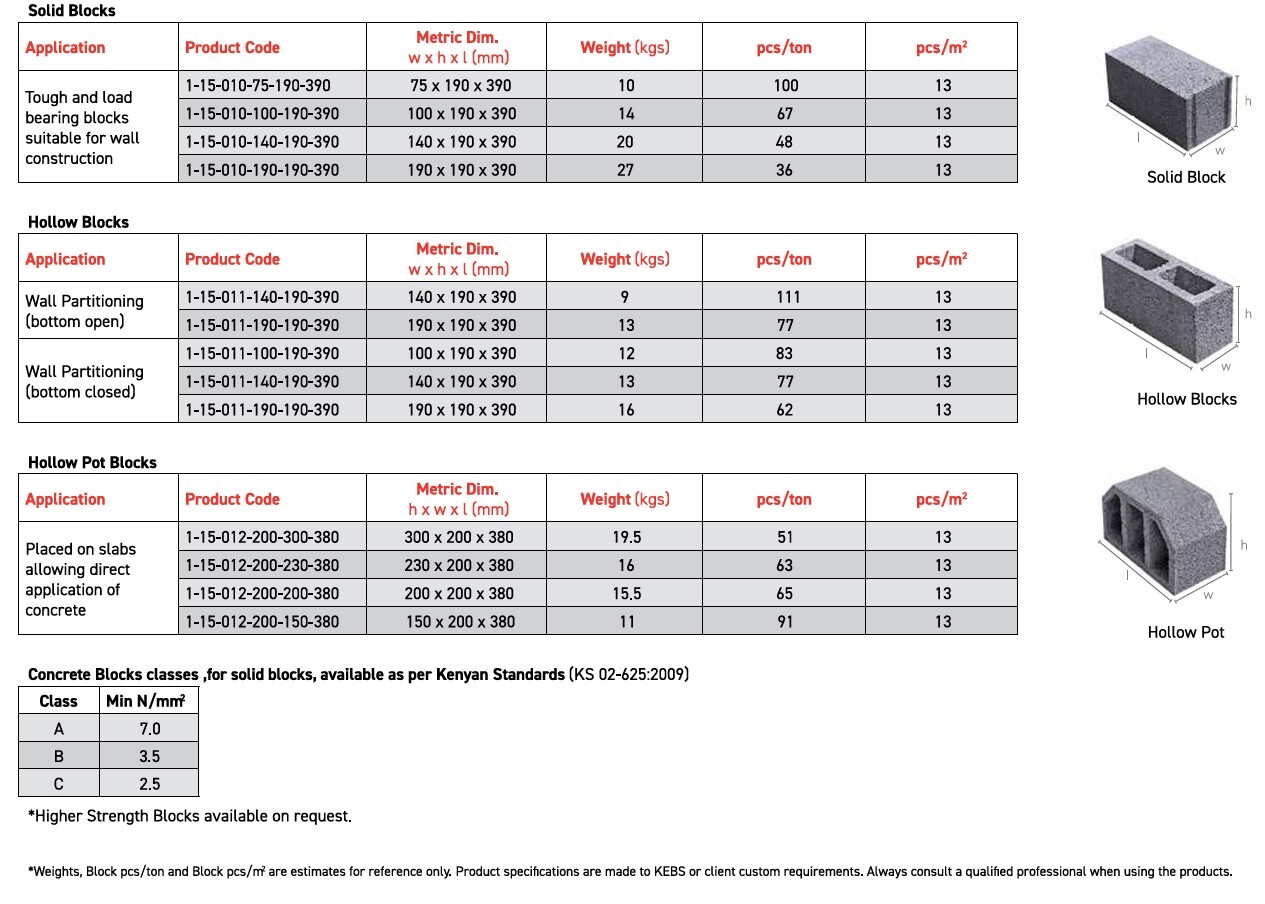
Masonry Blocks Product Table
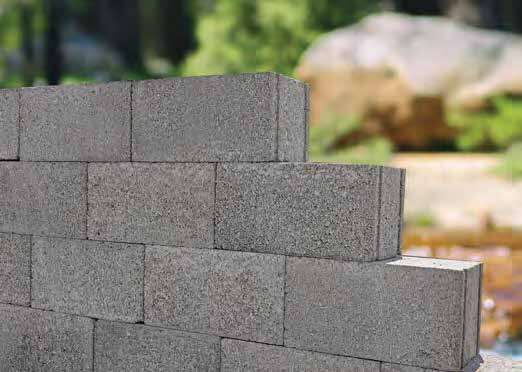
Concrete Solid Blocks
Concrete Solid Blocks are tough, load bearing blocks suitable for construction of walls.
Concrete Hollow Blocks
Concrete Hollow Blocks are highly resilient blocks suitable for partition walls providing thermal and sound insultation.
Concrete Hollow Pots
Concrete Hollow Pots are used to fill portions of the slab thickness; this results in a deeper arm for the reinforcement while saving the amount of concrete.

Advantages of Solid & Hollow Concrete Blocks

  1. Thinner walls possible, hence giving more carpet area.
  2. Structurally stronger than clay bricks and quarry cut stones. Additionally can be manufactured to custom strength requirements.
  3. Large in size, hence number of joints are less, saving in mortar.    
  4. Better insulating against heat, sound and dampness.
  5. Needs less plastering due to even surface texture and shape.
  6. The high self-weight leads to great gravity and seismic loads.
  7. No dressing work & less time consuming when laying.
  8. Safer to use, since they are lighter in weight compared to quarry cut stones. Quarry cut stones can result in serious incidents, where joints inside the interior wall have deteriorated due to a lack of drainage for moisture which may lead to the overall collapse of the stone masonry structure.

Advantages of Hollow Pot Blocks

  1. Moisture insulation.
  2. Heat insulation improves by around 25%.
  3. Good insulation against sound.
  4. Cheaper and economical,
  5. Reduces weight on the building structure.
Considering the above facts, concrete blocks as a complete solution are superior and work out economically cheaper compared to clay bricks or quarry cut stones.
T-Block Maxpand 150*200*380 image
T-Block Maxpand 150*200*380
Ksh81.00

T-Block Maxpand 150*200*380

Let’s Build Together

Whether you're an architect, developer, contractor, or first-time builder, we’re here to help you succeed. Visit one of our Kenya Builders Direct factory outlets or contact our sales team to get started.


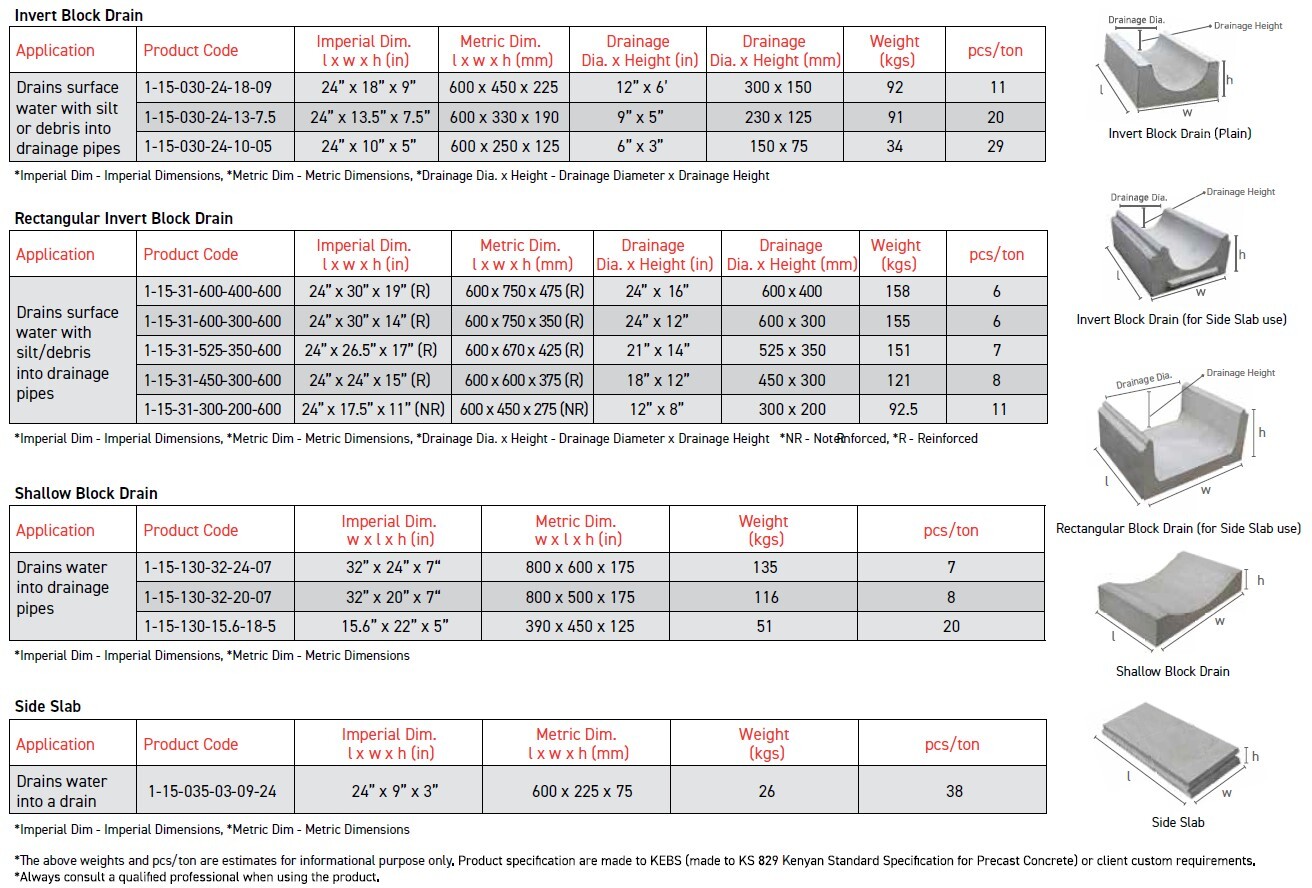
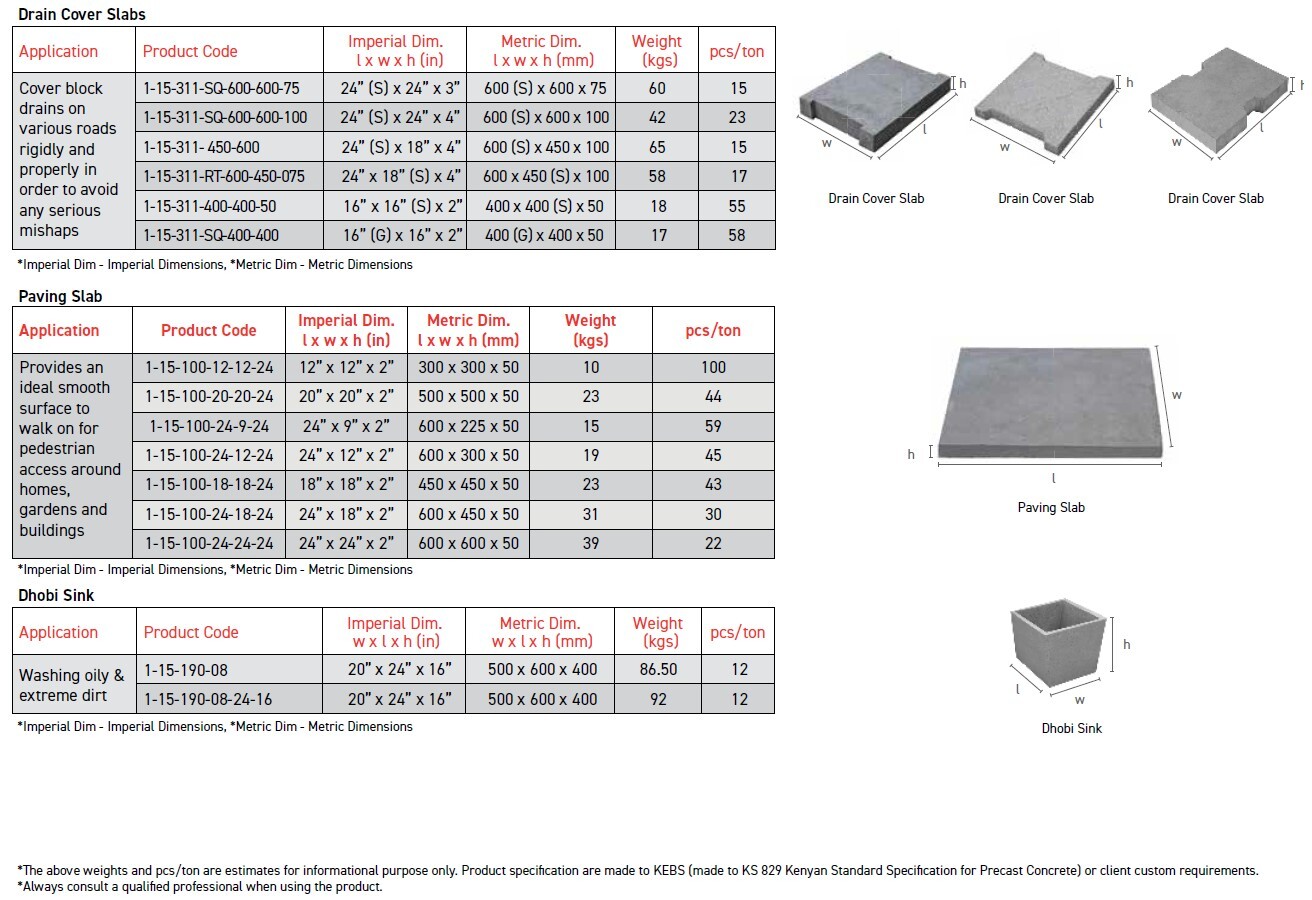
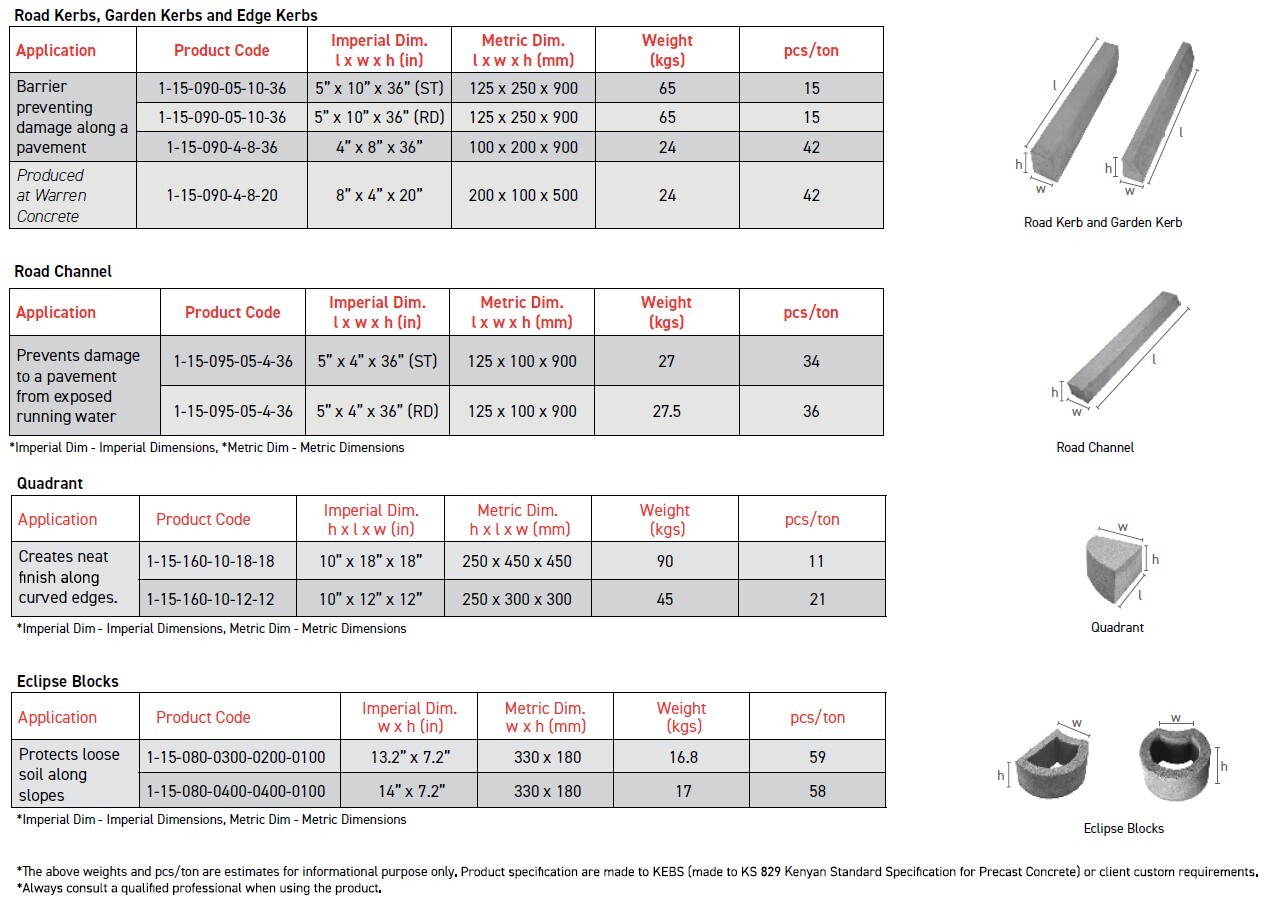
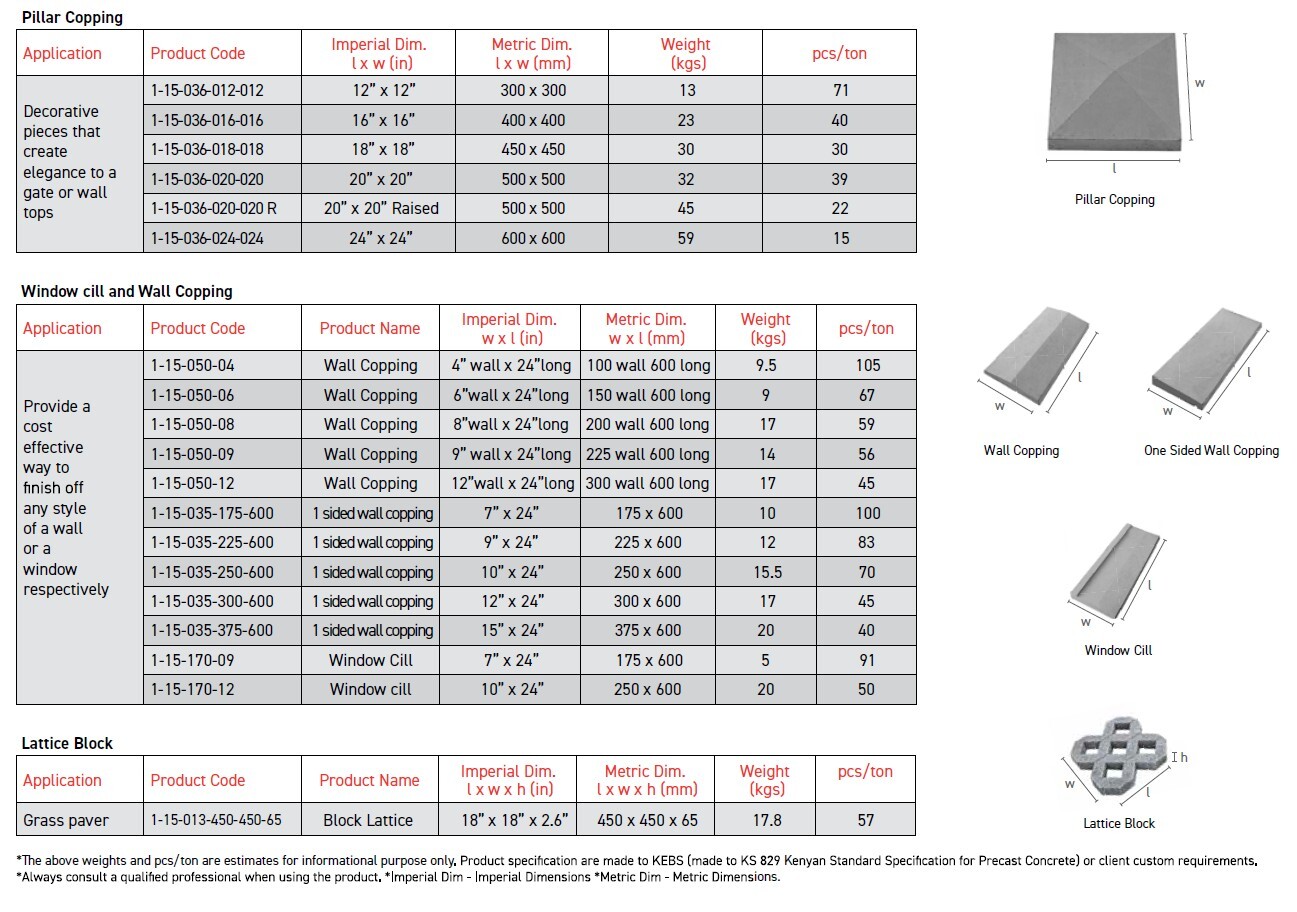
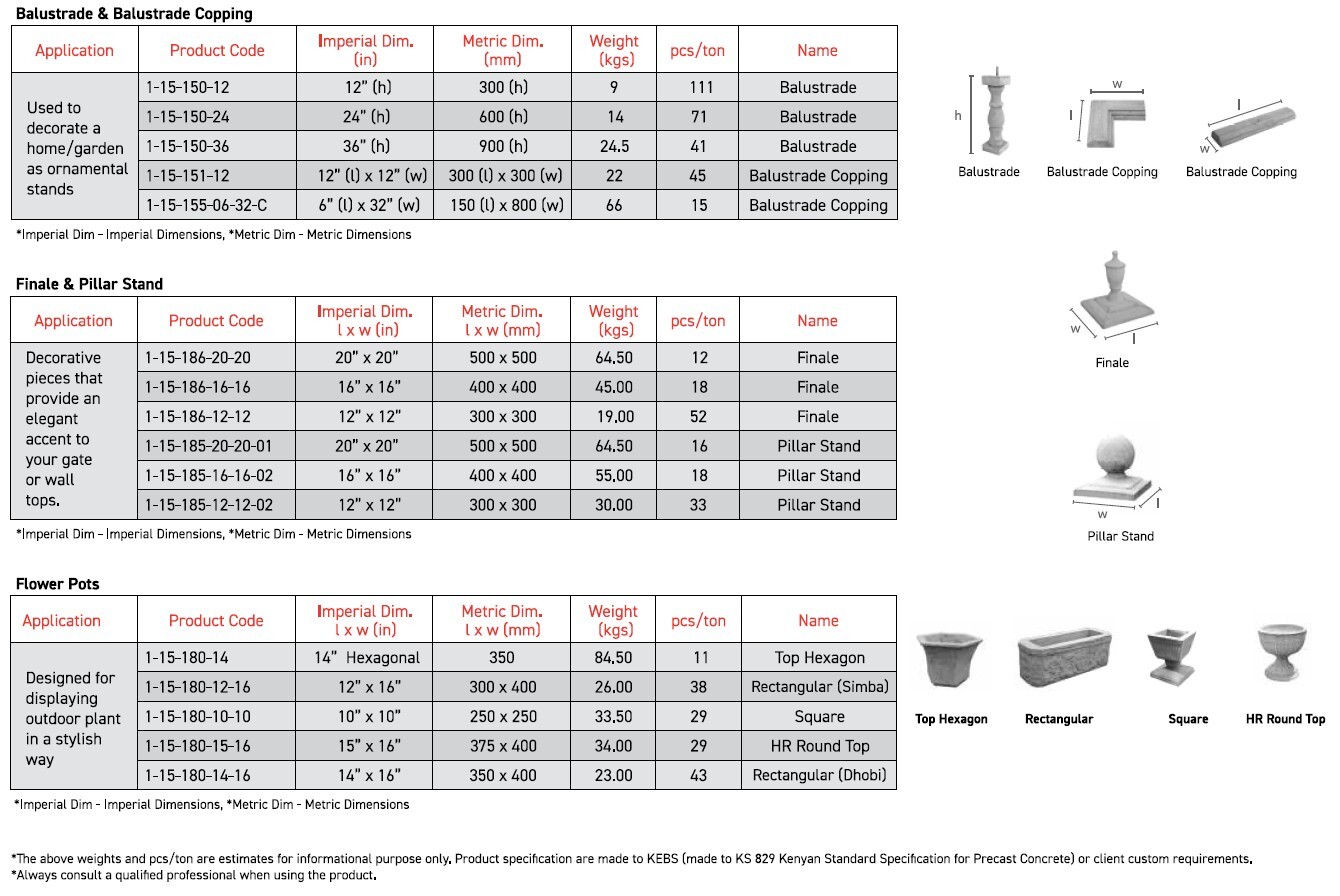
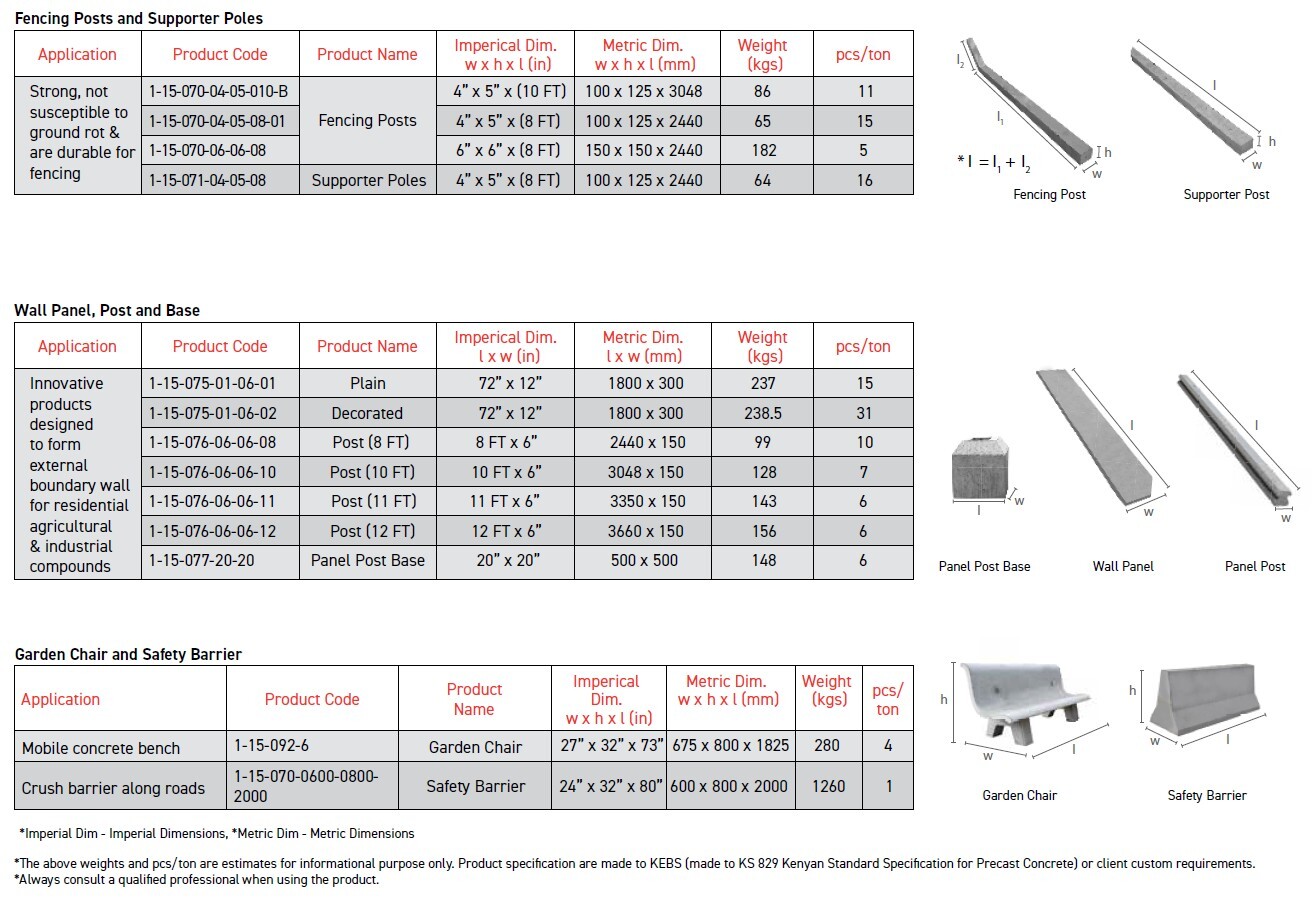
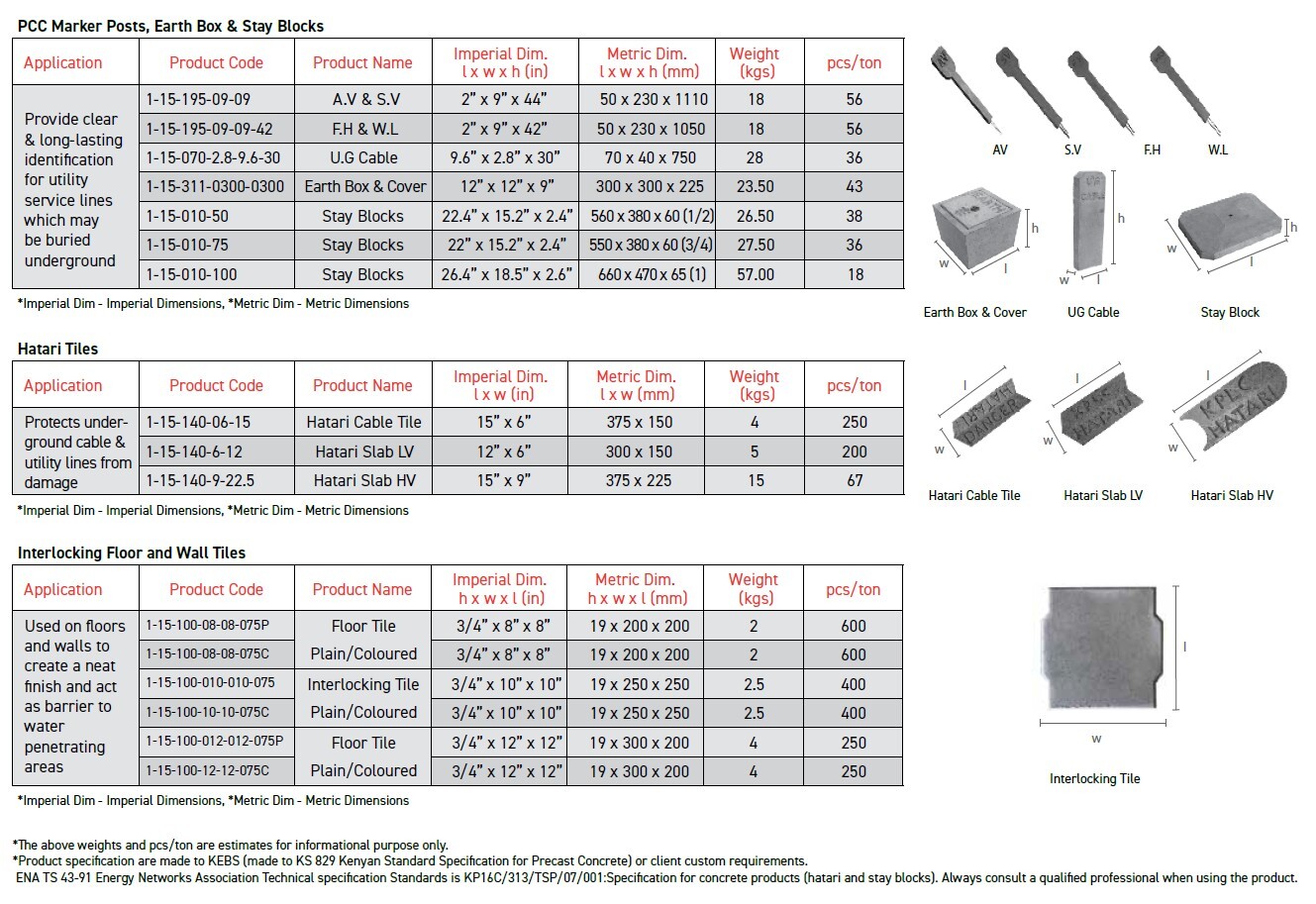
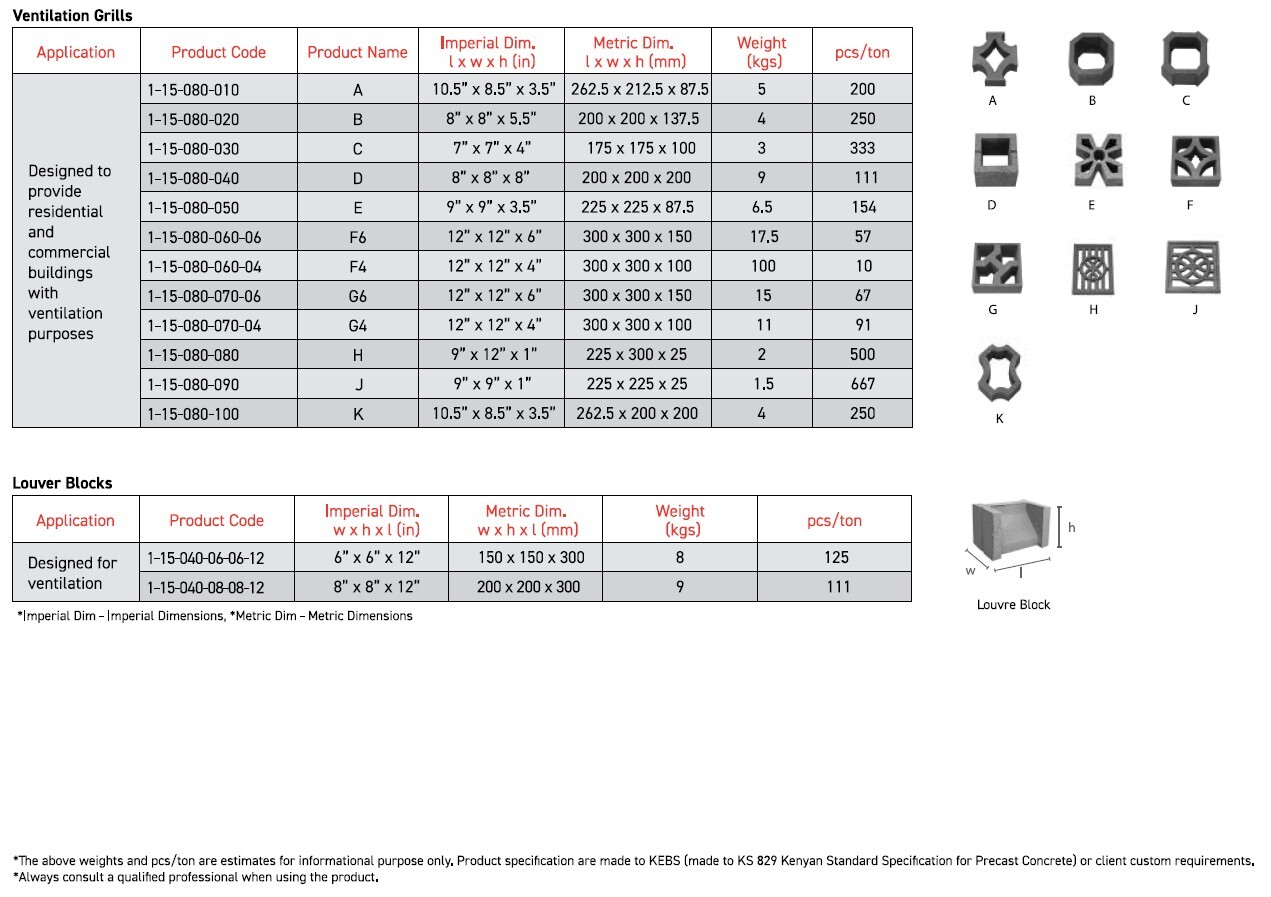
PRECAST PRODUCTS

Factory-produced precast concrete solutions delivering consistent quality, durability, and reliable performance across construction applications.
Precast 1
Precast 2
Precast 3
Precast 4
Precast 5
Precast 6
Precast 7
Precast 8
Paving Slab 24*12*2 image

Paving Slab 24*12*2

Ksh540.00

Paving Slab 24*12*2 Grey

Wall Copping One Side Slope - 15" X 24" image
Wall Copping One Side Slope - 15" X 24"

Ksh395.00

Wall Copping One Side Slope - 15" X 24"

Let’s Build Together

Whether you're an architect, developer, contractor, or first-time builder, we’re here to help you succeed. Visit one of our Kenya Builders Direct factory outlets or contact our sales team to get started.

Our Products

Let’s Build Together

Whether you're an architect, developer, contractor, or first-time builder, we’re here to help you succeed. Visit one of our Kenya Builders Direct factory outlets or contact our sales team to get started.